Signs Your Basement or Foundation Needs Waterproofing
Noticing signs your basement or foundation needs waterproofing can help local contractors prevent water damage and structural issues effectively.
Understanding the signs that suggest your basement or foundation may need waterproofing is an important step for property owners in the area. Common indicators such as persistent dampness, mold growth, or water stains can point to underlying issues that, if left unaddressed, might lead to more significant structural concerns. Recognizing these early warning signs can help homeowners and landlords take proactive steps to protect their investments, and connecting with experienced local contractors ensures that any necessary waterproofing solutions are handled effectively.
Many property owners explore this topic because water intrusion can impact the safety, durability, and value of their homes. Whether dealing with recent heavy rains or long-term moisture problems, identifying the need for waterproofing services can prevent costly repairs down the line. Local service providers specialize in assessing these issues and offering tailored solutions to keep basements dry and foundations stable. Continuing to read can provide valuable insights into the common signs that indicate it’s time to consider professional waterproofing assistance.
- Cracks in basement walls - when visible cracks appear in basement walls, local contractors often recommend waterproofing to prevent further damage and moisture intrusion.
- Water stains or mold growth - signs of persistent moisture issues, prompting service providers to evaluate and implement waterproofing solutions to protect the foundation.
- Musty odors in the basement - indicating potential dampness that local pros address through waterproofing methods to improve indoor air quality.
- Uneven or shifting foundation - when the foundation shows signs of movement, waterproofing services are often part of a broader approach to stabilize and protect the structure.
- Efflorescence or white mineral deposits - these deposits on basement surfaces suggest water seepage, leading local contractors to recommend waterproofing to mitigate ongoing moisture problems.
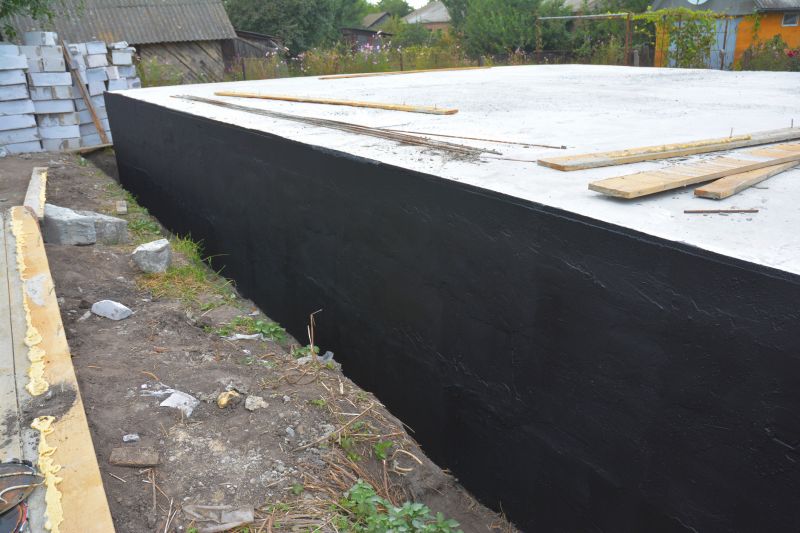
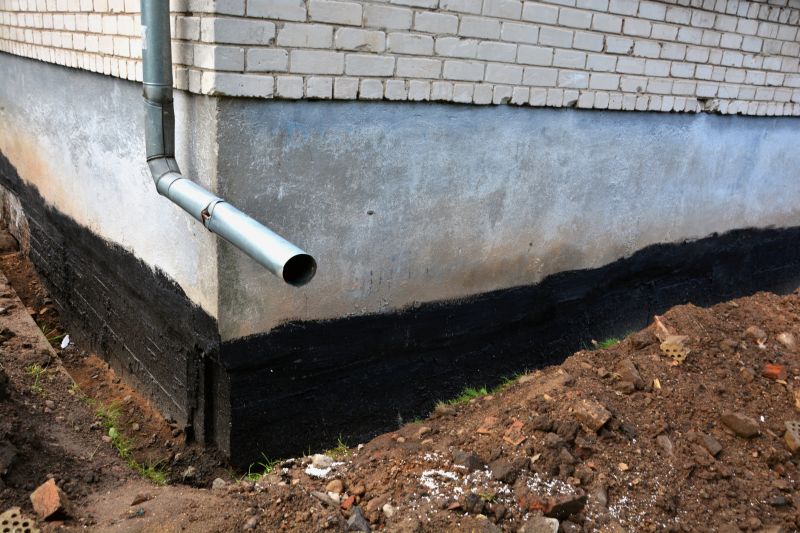
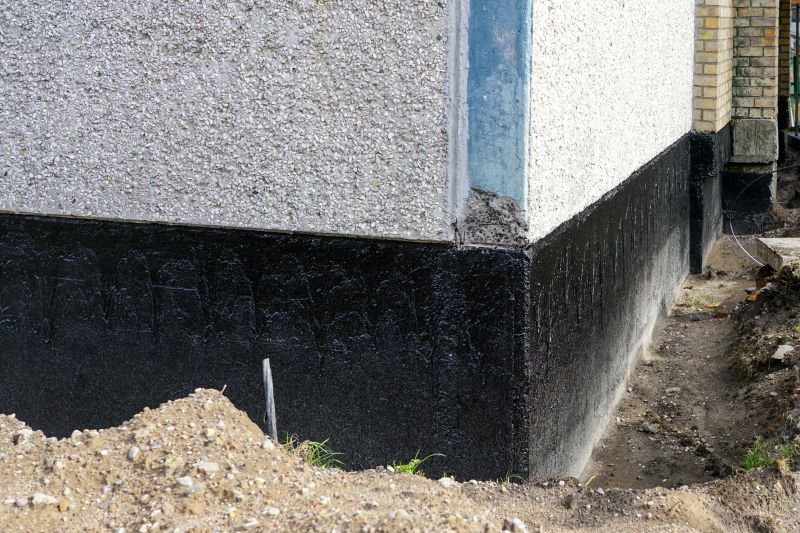
When searching for signs your basement or foundation needs waterproofing, homeowners are typically looking for clues that indicate water intrusion or moisture problems. These signs often include visible water stains or damp patches on basement walls or floors, which can suggest ongoing leaks or seepage. Cracks in the foundation walls or floor may also be a red flag, as they can create pathways for water to enter. Additionally, a persistent musty smell or visible mold growth in the basement can point to high humidity levels and moisture issues that require professional waterproofing solutions. Recognizing these indicators early can help prevent more significant damage and costly repairs down the line.
This topic relates closely to a variety of property issues and planning considerations. For homeowners, understanding the signs that their basement or foundation needs waterproofing is often part of ongoing maintenance or preparations for renovations. Water-related problems can compromise the structural integrity of a property, lead to mold growth, and damage personal belongings stored in the basement. Many property owners also consider waterproofing when planning additions or finishing a basement for living space, as moisture issues can undermine these projects. Addressing these signs promptly with the help of experienced local contractors can safeguard the property’s value and ensure a healthier environment.
The types of properties that typically come up in discussions about basement or foundation waterproofing include residential homes, especially those built on slabs or with crawl spaces. Older homes are often more susceptible to water issues due to aging materials and outdated drainage systems. Additionally, homes located in areas with high rainfall or poor drainage are more prone to moisture problems. Some properties with basements that were not originally designed with waterproofing measures may develop issues over time. Commercial properties with underground levels or parking structures can also encounter similar problems, making waterproofing an important consideration across different property types.
Connecting with local service providers is a crucial step for homeowners noticing signs their basement or foundation needs waterproofing. These professionals can assess the specific conditions of a property, identify the root causes of water intrusion, and recommend appropriate solutions. Waterproofing methods may include interior or exterior sealants, drainage improvements, or foundation repairs. Since local contractors understand regional weather patterns and soil conditions, they are well-equipped to tailor solutions that effectively address moisture issues. Working with experienced service providers helps ensure that waterproofing efforts are properly implemented, protecting the property from future water damage and maintaining its structural stability.
Drainage System Installation - Properly designed drainage systems help prevent water from seeping into basements and foundations, a key aspect of waterproofing projects handled by local contractors.
Foundation Crack Repair - Repairing cracks in foundations involves similar skills and tools as waterproofing, ensuring structural integrity and moisture resistance.
Wall Waterproofing - Applying waterproof coatings or membranes to basement walls is a common task performed by local service providers to address signs of water intrusion.
Sump Pump Installation - Installing sump pumps is a typical solution for managing basement water issues, often recommended alongside waterproofing services.
Interior Water Control - Sealing and damp-proofing interior basement surfaces requires planning and skills similar to exterior waterproofing methods used by local pros.
Soil and Drainage Assessment - Evaluating soil conditions and drainage patterns helps identify water pressure issues that can lead to foundation problems, a service offered by local contractors.
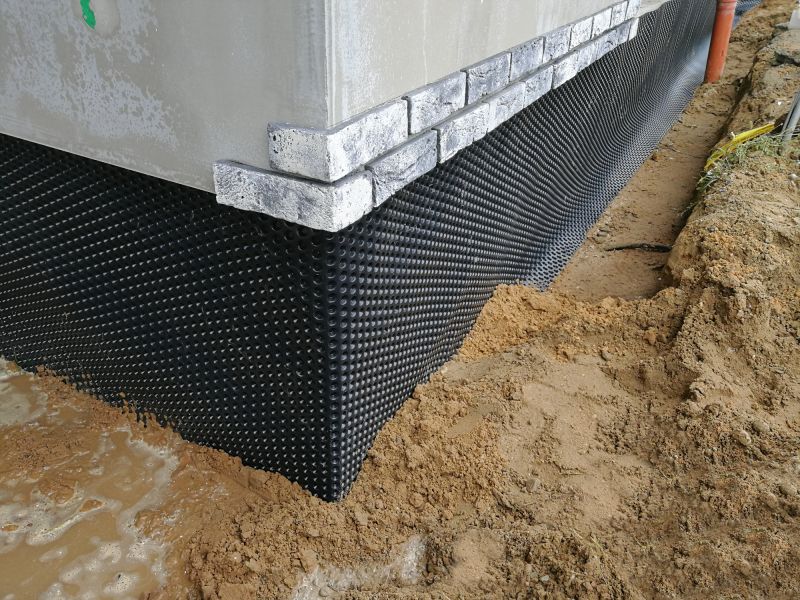
When comparing local contractors for basement or foundation waterproofing, it is important to consider their experience with similar projects. Homeowners should inquire about the types of waterproofing issues they have handled in the past and whether they have worked on homes with comparable foundation types or basement conditions. A contractor’s familiarity with common signs your basement or foundation needs waterproofing, such as persistent dampness, mold, or water stains, can indicate their ability to address specific issues effectively. Ensuring that a service provider has a solid track record with similar situations can help homeowners feel more confident in their choice and reduce the risk of unforeseen complications.
Clear written expectations are essential when evaluating service providers for waterproofing work. Homeowners should seek detailed proposals that outline the scope of work, materials to be used, and the expected outcomes. A reputable contractor will be transparent about what the project entails and any potential limitations or additional steps that might be necessary. Having this information in writing helps prevent misunderstandings and ensures that both parties have aligned expectations. It also provides a basis for comparison between different local contractors, making it easier to identify which ones provide comprehensive and well-communicated plans.
Reputable references and good communication are key factors when choosing a basement or foundation waterproofing specialist. Pros with positive references can provide insights into their reliability, quality of work, and professionalism. Homeowners should consider asking for references from previous clients who had similar waterproofing needs and follow up to learn about their experiences. Additionally, effective communication throughout the process-such as responsiveness to questions and clarity in explanations-can make a significant difference in the overall experience. Service providers who listen carefully, answer questions thoroughly, and keep homeowners informed are more likely to deliver satisfactory results and a smoother project experience.
Property owners often search for signs your basement or foundation needs waterproofing when they are planning practical projects around their homes and businesses. Local pros provide Basement or Foundation Waterproofing services for everyday jobs and straightforward project options.
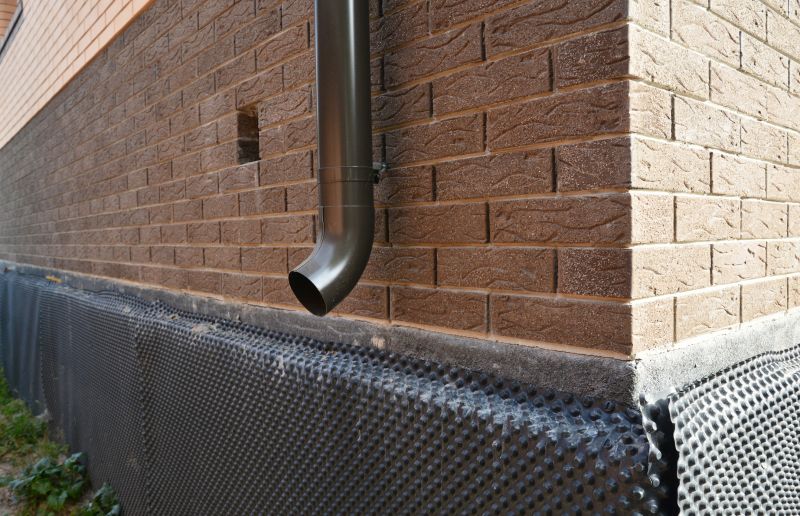
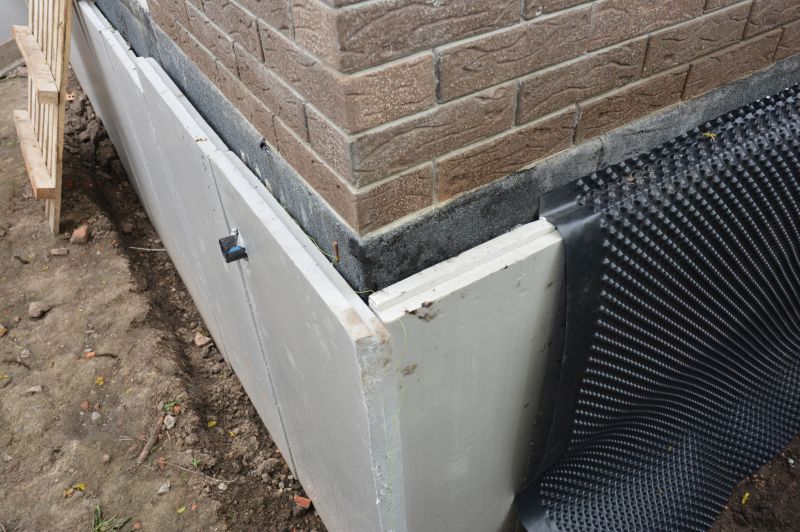
Many property owners notice signs that their basement or foundation may need waterproofing during routine home inspections or after heavy rains. Common indicators include persistent dampness or a musty smell in the lower levels, water stains on walls or floors, and visible cracks that seem to widen over time. These issues often prompt homeowners to explore options for preventing further water intrusion and protecting the structural integrity of their property. Local contractors experienced in basement and foundation waterproofing can assess these signs and recommend appropriate solutions to address underlying problems before they worsen.
In addition to visible water marks or cracks, some property owners might observe mold growth or a feeling of dampness that doesn’t go away with ventilation. Basement floors that feel cold or clammy and walls that develop efflorescence-white, powdery deposits-are also common signs that waterproofing might be needed. Homeowners considering services from local service providers often seek expert evaluations to determine whether waterproofing measures can help keep their basements dry and prevent potential damage. Connecting with experienced contractors can ensure that the right steps are taken to safeguard the home’s foundation from water-related issues.
What are common signs that my basement or foundation may need waterproofing? Visible water stains, mold growth, or dampness on walls and floors can indicate moisture issues that require waterproofing services from local contractors.
How can I tell if my basement has excessive moisture or water intrusion? Persistent musty odors, peeling paint, or water pooling after rain are signs that a basement or foundation may need waterproofing from experienced service providers.
What physical signs appear when a foundation is compromised and needs waterproofing? Cracks in walls or floors, uneven floors, or settling can suggest foundation issues that benefit from waterproofing solutions offered by local contractors.
Are there specific indicators that suggest my basement needs waterproofing before problems worsen? Efflorescence (white mineral deposits), peeling wallpaper, or visible water leaks are signs that professional waterproofing services could be necessary.
How do I know if my foundation's waterproofing is failing? Increased dampness, recurring leaks, or new cracks in the foundation indicate that waterproofing may need to be evaluated and repaired by local service providers.
Cracks in basement walls - noticing visible cracks can indicate water pressure issues, prompting property owners to seek waterproofing services from local contractors.
Musty odors or mold - persistent musty smells or mold growth are signs that moisture is seeping in, encouraging property owners to explore waterproofing options with local service providers.
Water stains or dampness - observing water stains or damp patches on walls or floors can lead property owners to consider professional waterproofing solutions from nearby contractors.
Efflorescence or white deposits - the presence of white mineral deposits on basement surfaces suggests moisture infiltration, motivating property owners to contact local experts for waterproofing assistance.
If you are thinking about signs your basement or foundation needs waterproofing for a property, this guide is meant to help you understand this topic, the typical project types, and how different options might fit your plans.
When you are ready, you can use the quote form on this page to share a few details about your project. From there, local pros can review the basics and follow up with options that match what you have in mind.